Culture and Heritage-based Social Transformation for Profitable Tourism
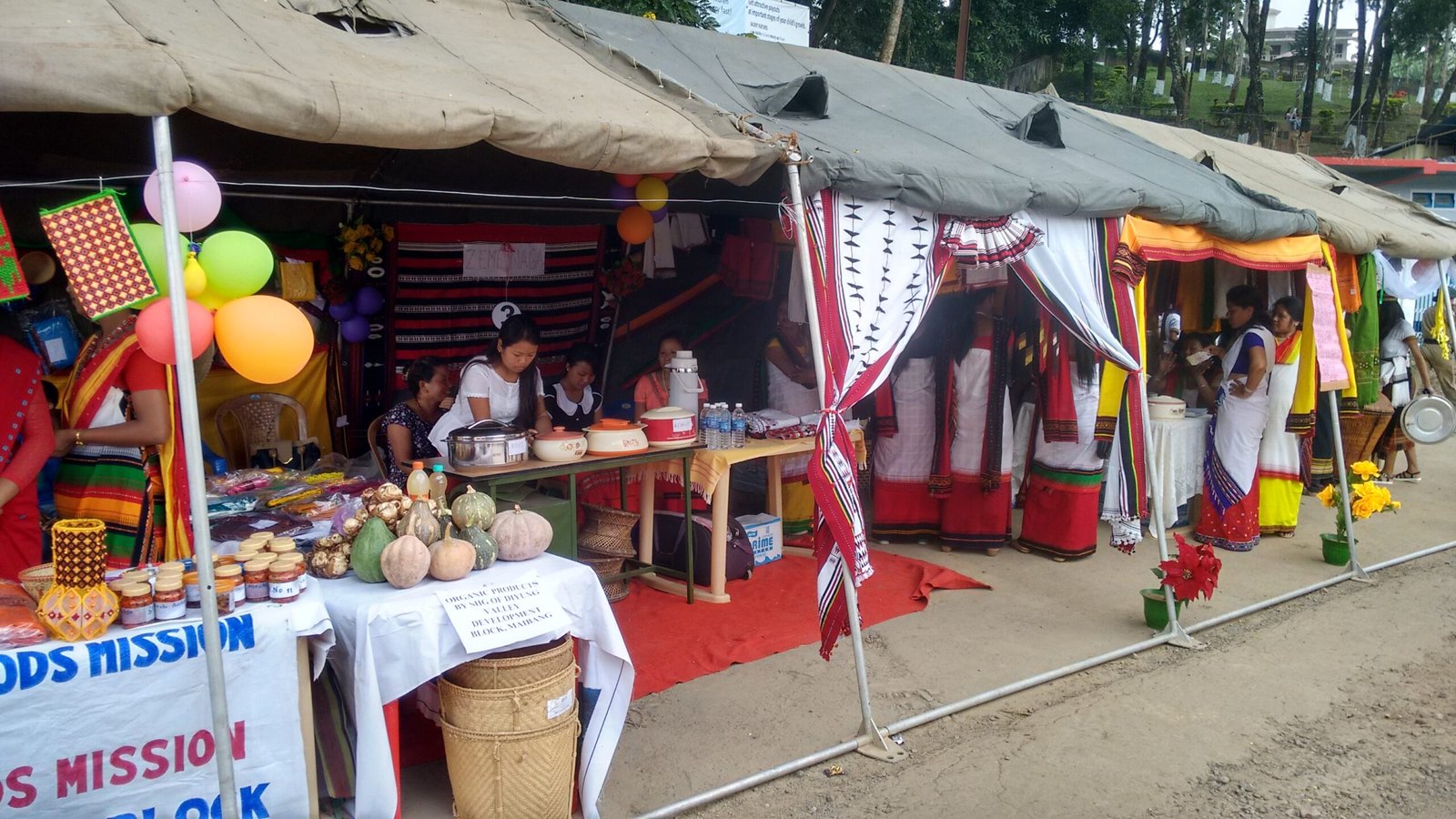
Dima Hasao, Assam, 2015–16. Thirteen tribes and six non-tribes, long divided. Festivals, India’s first Dimasa Tribal Museum and a restored Maibang Stone House gave them something to be proud of together. The Assam government now invests in all of them.
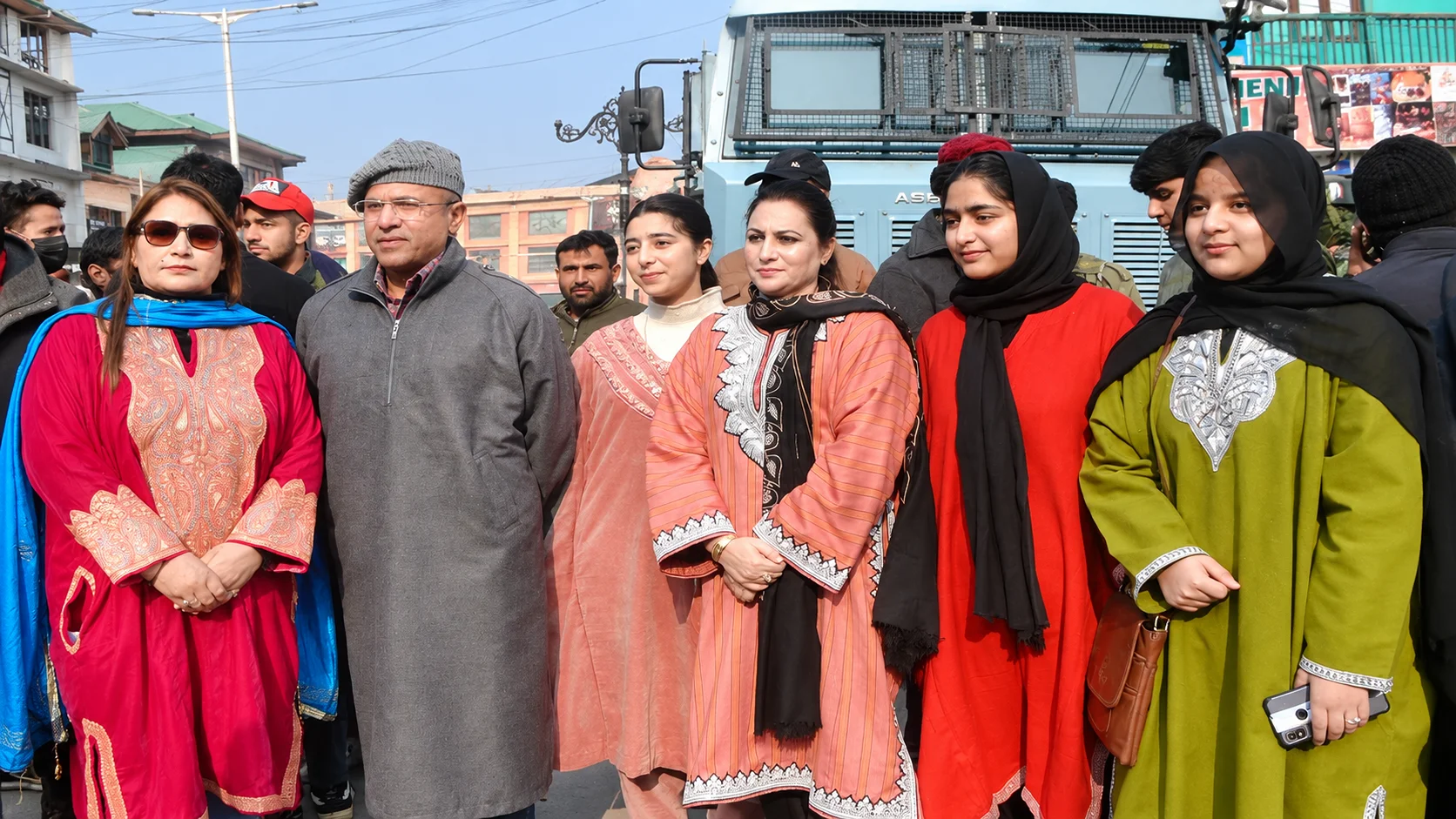
Dal Lake, Srinagar, 2021–22. A six-hour boat recce led to India’s first Dal Floating Village. An Army fund of ₹20 lakh grew into a ₹250 crore government programme.
Kangundi, Andhra Pradesh, 2025–26. A village almost nobody visited. TadEkam’s ₹1.2 crore, against the state’s ₹60 lakh, had produced 32 homestays, 72 local jobs and ₹27 lakh in village revenue by January 2026.
Culture becomes the asset. Heritage that was neglected becomes something people defend and governments fund. In Kangundi, a fist-pump “I Love Kangundi” gesture spread through the village. It pushed out open defecation and unauthorised banners faster than any order could.
The money stays in the village. Tourists from Mumbai stayed with Kachri Mohalla families on three separate trips. The Dal Dwellers we trained as rowers won medals at the 2022 national sub-junior competition. Kangundi’s homestays now earn for its own people.
Government follows the pilot. In Assam and at Dal it already has. In Andhra Pradesh, the state issued its first homestay policy in October 2025, after my briefing to the Chief Minister.
State and district tourism departments. CSR teams and foundations with heritage or livelihood mandates. Hospitality and travel companies moving into homestays and community-based tourism. Trusts and temple boards with pilgrim footfall.
Destination or district tourism strategy. Initiate an Advisory Engagement.
CSR or foundation partnership. Discuss a Seva Partnership.


